Difference between anti-trauma and NIJ IIIA: a dangerous mistake
A linguistic confusion with real consequences
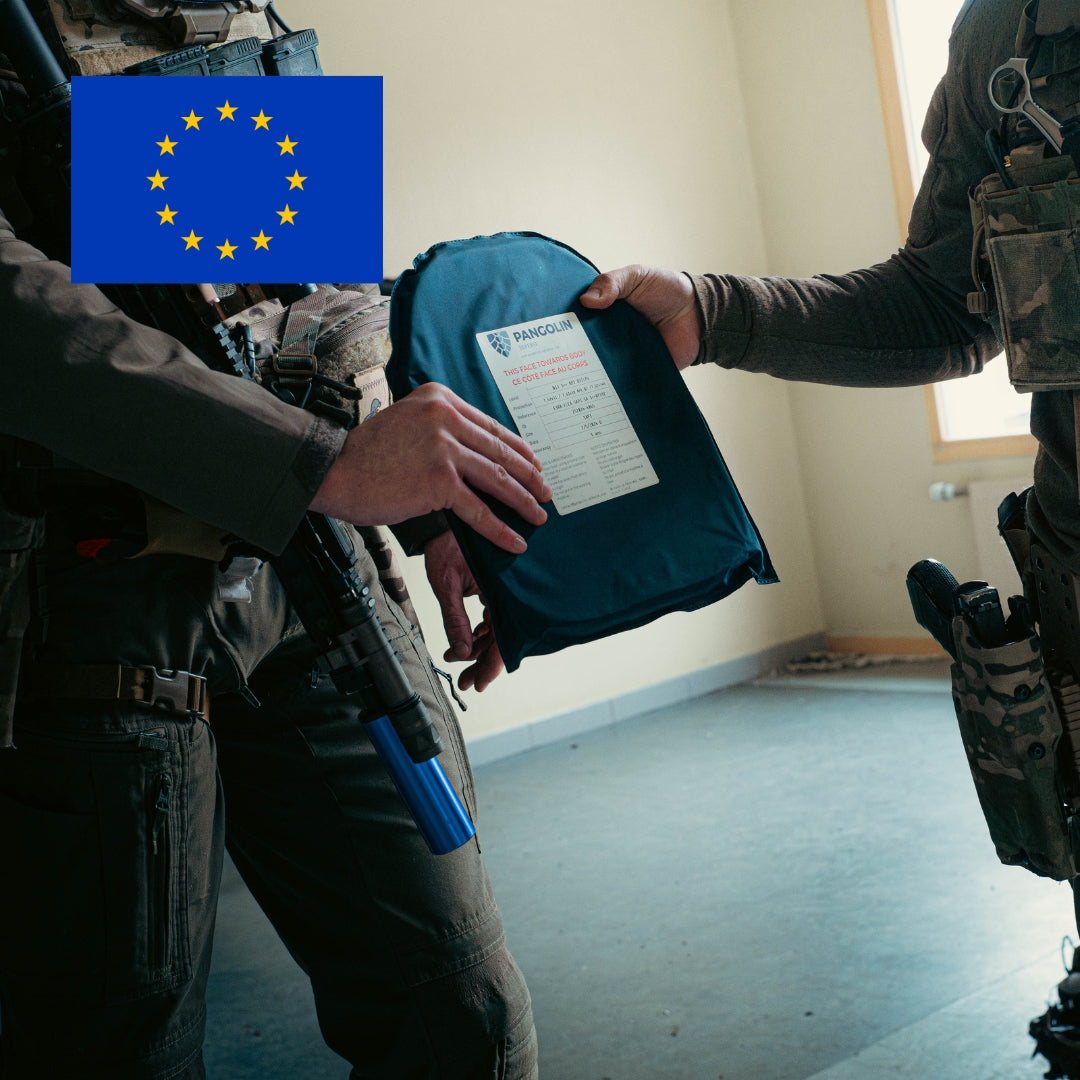
In the field of ballistic protection, a linguistic error constantly resurfaces: the confusion between traumapads (or anti-trauma pads) and NIJ IIIA ballistic plates used behind ICW (In Conjunction With) plates.
Many users mistakenly believe that a simple anti-trauma pad can replace a soft NIJ IIIA plate behind an ICW plate, especially because both elements are placed in the same location in the vest. This confusion is too often ignored, even though it can directly endanger the user, even with a high-level ballistic plate.
Understanding the difference between these two elements is not a technical detail: it is a matter of vital safety.
1. Why this error is dangerous
An anti-trauma pad is NOT ballistic
One point must be clear from the outset: an anti-trauma pad is not ballistic. It is not designed to stop a bullet, it is not certified by a ballistic standard, and it plays no role in stopping the projectile.
Its role only comes after the threat has been stopped, to limit the impact of the energy transmitted to the body. Using an anti-trauma pad as a substitute for soft ballistic protection therefore means removing an essential layer from the protection system.
In the case of an ICW plate, this error is particularly critical. Without the intended NIJ IIIA protection behind the plate, the backface deformation can be much greater than expected. This deformation, called Back Face Deformation (BFD), can cause severe internal injuries: fractures, pulmonary contusions, damage to vital organs, or even internal hemorrhages.
In other words, the plate may stop the bullet, but the body experiences excessive violence, with sometimes dramatic consequences.
Back Face Deformation (BFD), the real invisible danger
During a ballistic impact, even if the bullet is stopped, the energy transmitted to the body causes backface deformation of the plate.
For informational purposes:
The NIJ standard allows a maximum BFD of approximately 44 mm
Excessive BFD can cause: sternal or rib fractures, pulmonary contusions, internal organ injuries, severe internal hemorrhages.
Incorrect configuration can turn "tested" protection into a deadly danger.
2. What is NIJ IIIA and why it must be used behind an ICW plate
Definition of NIJ IIIA
NIJ IIIA is a level of soft ballistic protection, designed to stop:
handgun ammunition (9x19 mm, .44 Magnum, etc.)
certain secondary threats (fragments, splinters)
An ICW (In Conjunction With) plate is a ballistic plate designed to work in combination with soft protection, usually NIJ IIIA level.
Unlike a so-called Stand Alone plate, an ICW plate is not tested alone. During ballistic tests, it is systematically associated with a soft plate placed behind it. It is this assembly that is certified.
Without this soft plate:
the ICW test is no longer valid
the actual ballistic performance is unknown
BFD can greatly exceed safety thresholds
👉 NIJ IIIA is not a comfort feature, it is an integral part of the ballistic system.
3. Traumapads / anti-trauma: what are they really for?
Their real role: reducing BFD, not stopping a bullet
Traumapads, also called anti-trauma pads, have a real but very specific use. They serve to reduce backface deformation and improve comfort, once the ballistic protection is already complete.
They are therefore relevant:
behind a Stand Alone plate, which is already ballistic on its own
or behind a properly configured ICW plate, meaning with a NIJ IIIA plate in place
Under these conditions, some quality anti-trauma pads can reduce BFD by 20 to 30%, which significantly reduces the risk of internal trauma and improves impact tolerance.
But they don't stop any threat. They optimize existing protection; they never replace it.
Confusing anti-trauma and NIJ IIIA is not a technical approximation: it's a dangerous mistake.
You can wear:
a high-end vest
an NIJ IV plate
equipment worth several hundred euros
If the basic ballistic configuration is incorrect, your protection is incomplete and potentially ineffective at the critical moment.
Ballistics is a system, not an accumulation of misunderstood elements. Before optimizing comfort or shock reduction, make sure the ballistic chain is complete and compliant.
NIJ 0106.01 and V50: How to Evaluate the Ballistic Performance of a Helmet
When talking about ballistic helmets, performance is not just about "stopping a bullet". Unlike vests or plates, a helmet ...
The answer is simple: yes, in the vast majority of cases, a private individual can purchase a bulletproof vest in Europe. Contrary to some misconceptions, this equipment is not exclusively reserved...
Our in-house trained chatbot answers your questions 7 days a week. For direct communication, our contact page is available anytime; we're open Monday to Friday, 9 a.m. to 5 p.m.
Compliance with standards
Tested to NIJ standards, our solutions meet the strictest standards, guaranteeing their reliability.
Advanced materials
High-performance ballistic materials from renowned suppliers: Kevlar® (DuPont), Dyneema® (Avient) and Spectra® & GoldShield® (Honeywell).



%20and%20NIJ%20IIIA%20bal...)
Leave a comment
This site is protected by hCaptcha and the hCaptcha Privacy Policy and Terms of Service apply.